
CASE STUDY: SAFE-T Secure Autonomy Testbed | Tulsa, OK
SAFE-T Tulsa – Building a repeatable digital backbone for regional BVLOS operations
Project Update
Commenced: 2025
Status: In Progress
Project Integrations + Partners







Project snapshot
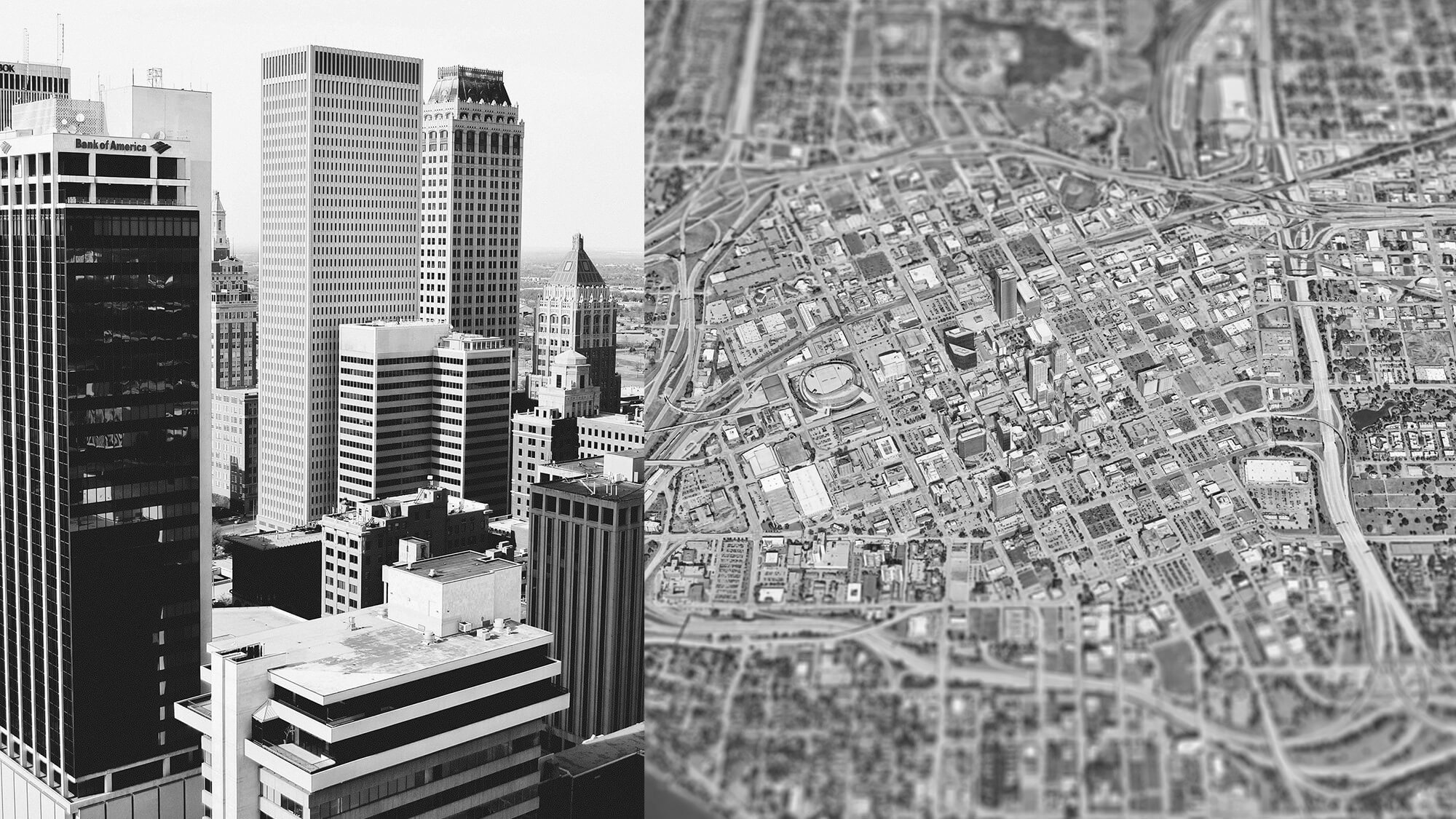
SAFE-T (Secure Autonomy Feedback and Evaluation Testbed) in Tulsa is an infrastructure-first program designed to make regional drone operations scalable, secure, and repeatable. It establishes a shared backbone that supports multiple operators, missions, and service providers from day one within today’s FAA framework, while preparing for future low-altitude architecture..
ResilienX Role
ResilienX is delivering the secure, vendor-neutral digital backbone (AAM OptiX) plus in-operation assurance (FRAIHMWORK), so operators can focus on mission delivery instead of bespoke integrations and compliance overhead.
“SAFE-T allows operators to focus on their mission while relying on shared regional surveillance, weather, and safety services. This approach reduces duplication, improves safety, and enables broader BVLOS operations across the Tulsa region.”
Randall Burke, Executive Director, Skyway Range
The problem + opportunity
A better model, scalable and repeatable across regions.
In Tulsa, ResilienX saw the opportunity to prove a better model: build a regional utility layer that multiple operators can use, rather than repeating the same one-off deployments.
What’s getting in the way
- The bottleneck isn’t aircraft innovation, it’s system-level integration + in-operation assurance
- Operators are stuck stitching together fragmented inputs: surveillance, weather, UTM, and C2
- Integrations are often brittle and bespoke, rebuilt every time
The overhead is high: regulatory effort, monitoring, reporting, daily ops burden
What that causes
- Slower adoption and limited scale
- Repeated work across every new region and use case
- Participation skewed toward the most well-resourced operators
Why it matters
If regions can’t scale drone operations safely and consistently, the industry stays stuck in “pilot mode,” not real infrastructure.
What happens if nothing changes
- BVLOS remains limited to one-off approvals and bespoke deployments
- Operations don’t become repeatable, dependable, or scalable
- The market stays fragmented, slow, and hard to access beyond the biggest players
What regions unlock when they solve it
- A foundation for routine, scalable BVLOS operations
- Faster adoption across public and commercial use cases
- Economic growth: new services, investment, and regional capability
- Workforce development: jobs, training, and operational maturity
- Long-term competitiveness for the region and its partners
The solution by ResilienX

SAFE-T Tulsa flips the model. Infrastructure first, operations on top.
Instead of every operator rebuilding the same integration and compliance stack, SAFE-T establishes a shared regional backbone that multiple operators and service providers can plug into from day one.
What ResilienX delivers to make that real
AAM OptiX (the backbone)
A secure, vendor-neutral data exchange and brokering layer that connects
- surveillance and radar providers
- UTM and strategic coordination services
- weather and environmental data sources through a hub-and-spoke model with standardized interfaces
Why it matters
Faster integration, lower lifecycle cost, easier onboarding, and the ability for providers to join or exit without disrupting operations
Security and governance built in
Role-based access control, secure data isolation, centralized logging, designed to build trust with regulators, operators, and the community
FRAIHMWORK (assurance in operation)
Continuous monitoring, automated evidence collection, and centralized audit-ready logs
What this enables in Tulsa… and why other regions should care
SAFE-T Tulsa is designed to make BVLOS scalable as regional infrastructure, not a one-off project.
Tulsa outcomes
- Routine BVLOS operations at regional scale
- Faster onboarding for new operators and service providers
- Reduced duplication across stakeholders through shared infrastructure
- Stronger alignment with FAA safety and assurance expectations
- A repeatable blueprint that other regions can adopt without rebuilding the stack from scratch